

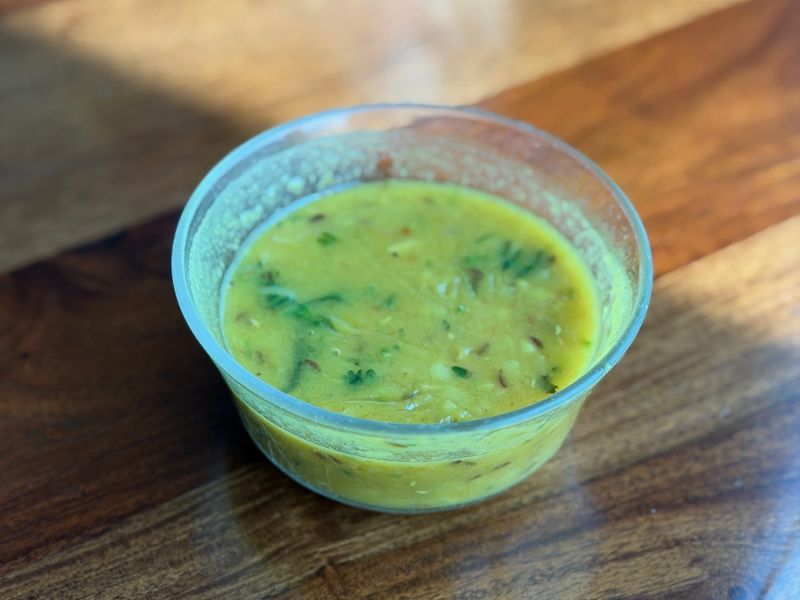
There are a few foods that show up in almost every culture because they just work. They’re affordable, comforting, and they consistently support good health. For many Indian households, daal is one of those foods – and honestly, it deserves more credit.
This bowl may look simple, but nutritionally it checks a lot of boxes.
Why daal is such a smart staple
1) It’s plant protein that actually satisfies
Lentils are a reliable source of protein, which helps with fullness and supports muscle maintenance – especially important as we get older. You don’t need to “overdo” protein, but you do want consistency. Daal makes that easy.
2) The fiber does a lot of heavy lifting
Fiber supports gut health, helps with regularity, and slows down digestion – which can mean steadier energy and fewer spikes and crashes. Many people don’t get enough fiber day to day. A bowl of daal is a simple way to move that number in the right direction.
3) It brings key micronutrients along for the ride
Lentils naturally contain nutrients like folate and iron, which support healthy blood and energy metabolism. They also provide potassium and magnesium, minerals that support heart health and normal blood pressure.
4) A heart-friendly comfort food
When made with a reasonable amount of oil or ghee, daal is generally low in saturated fat and very “everyday friendly.” It’s comforting without being heavy.
The spice factor (and why it matters)
Daal is often cooked with spices like turmeric, cumin, mustard seeds, garlic, ginger, and curry leaves. Beyond flavor, many of these ingredients contain antioxidant and anti-inflammatory compounds. Are spices a miracle cure? No. But small, consistent choices add up – and using spices is one of the easiest “health upgrades” you can make without feeling like you’re dieting.
How to make a bowl of daal even better
If you want to turn this into a complete, balanced meal, here are a few easy add-ons:
- Add vegetables: spinach, methi, lauki, tomatoes, carrots — whatever you have.
- Pair with a smart carb: brown rice, millets, quinoa, or even a small portion of regular rice if that’s what you enjoy.
- Don’t skip a side: salad, cucumber, or a simple sautéed sabzi boosts fiber and volume.
- Watch the “extra tadka”: tempering is great, but doubling the oil turns a light meal into a heavy one quickly.
- For better iron absorption: squeeze in lemon or have it with vitamin C–rich veggies.
The real takeaway
Most people don’t need complicated nutrition plans. They need a few reliable meals they can repeat – meals that taste good, fit their culture, and make the healthy choice the default choice.
Daal is that meal.
It’s not flashy. It’s not trendy. But it’s one of the most practical “health foods” you can keep in your routine – and the kind of food I’d rather see people eat consistently than chase the next superfood.
If you want to start simple: make daal twice a week. Add a veggie. Keep portions reasonable. Repeat.
That’s how results happen.